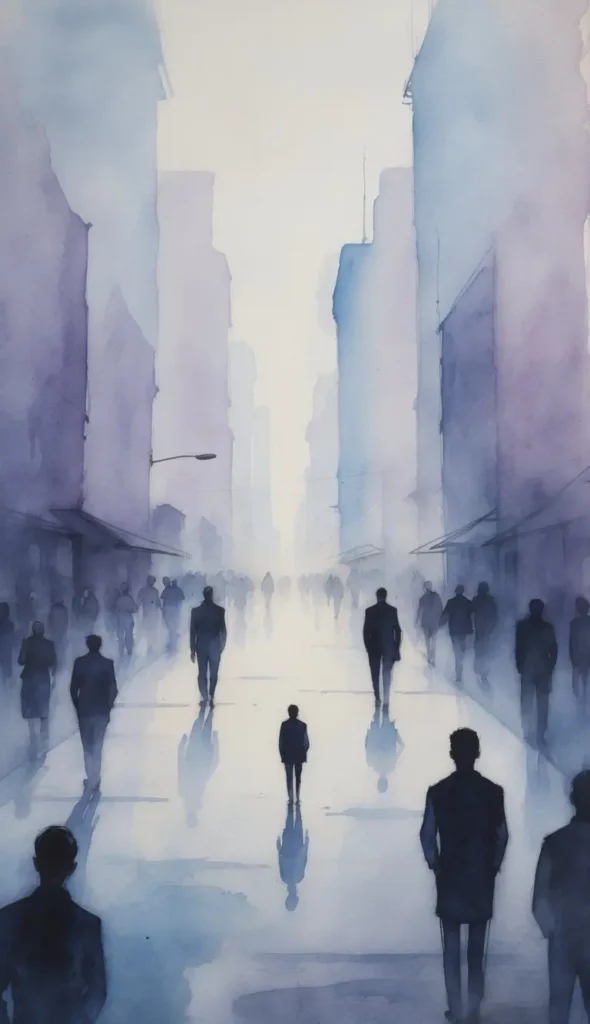
Do you feel your heart race before walking into a room full of people, or find yourself rehearsing conversations that haven’t even happened yet? That mental loop can be exhausting. But what if you could train your brain to expect something different? Using visualization for social anxiety offers a way to shift how you see things by letting you mentally practice calm and confident moments before they happen.
The techniques here aren’t about forcing yourself to picture complicated scenarios or spend a log time meditating. You’ll find practical, bite-sized practices that easily fit into your life, from 30-second mental resets to short evening wind-downs.
However, if you do want to find out what meditation can do for social anxiety, take a look at this helpful article:
Can Meditation Help Social Anxiety?
In this guide, you’ll see why visualization calms your body’s stress response and how to practice it in ways that actually stick. You’ll also get ideas for what to do when anxiety hits right in the moment.
Simple tools you can use anywhere, anytime, to go from dreading social moments to handling them with a bit more confidence.
How Visualization Actually Calms Social Anxiety (It’s Simpler Than You Think)
Your brain processes mental imagery almost like real experience. When you practice guided visualization for social anxiety, you’re basically training your mind to respond with calm instead of panic.
Here’s what happens during guided imagery for anxiety:
- Your nervous system relaxes as you picture peaceful scenarios
- Your body kicks in its natural calming response
- You start linking social situations with confidence instead of fear
Does Visualization Help Social Anxiety?
Research says yes. Picturing yourself speaking up at meetings or chatting at parties, you cut down on negative self-talk and build new habits in your mind.
Every time you use mental imagery and social anxiety pops up, you’re giving your brain a shot at staying calm. The more you rehearse these positive scenes, the more natural they feel when you’re actually there.
Don’t worry about having a perfect visualization script. Start with simple scenes where you feel comfortable, then slowly try more challenging ones.
Even five minutes a day of guided visualization can start to shift how your brain reacts to social settings.
4 Ultra-Quick Daily Visualizations (30–90 Seconds)
These speedy mental rehearsals help you prep for social moments and build confidence through repetition. Each one targets a specific social anxiety trigger and takes less than two minutes.
1. The “Safe Arrival” Scene
This one helps you walk into social spaces with a bit more calm instead of dread.
Steps:
- Picture yourself walking up to the door or entrance
- Take one deep breath before going in
- Notice your shoulders relaxed, your steps comfortable
- Feel your feet steady on the ground as you step inside
- See yourself looking around the room without judging yourself
When to use it: Try this five to ten minutes before you go into any gathering, meeting, or party. It works great when you’re still in your car or outside the building.
You’re not aiming for perfection or fake excitement. Just rehearse the physical act of showing up in your own body, minus the panic.
2. The “Warm Smile Exchange” Scene
This one focuses on quick, positive micro-interactions that feel doable.
Steps:
- Picture making eye contact with someone for a couple seconds
- See yourself giving a real, small smile
- Watch them smile back
- Feel a moment of connection without needing to say anything
- Notice yourself moving on, not overthinking it
When to use it: Do this while commuting, during morning coffee, or right before you walk into a room. It helps you imagine successful social moments without the stress of full conversations.
You’re not rehearsing clever lines or long chats. You’re just showing your brain that little human exchanges can feel good and don’t require a big performance.
3. The “Easy Exit” Scene
This one helps you ditch that trapped feeling that makes social anxiety worse.
Steps:
- Picture yourself in a social situation that feels too much
- See yourself politely excusing yourself with a simple phrase
- Watch yourself walking calmly toward the exit or bathroom
- Feel the relief as you step into a quieter space
- Notice that nothing bad happened when you took a break
When to use it: Practice this before events or when you feel stuck in a situation. Knowing you have a way out actually helps your body relax.
This isn’t about dodging socializing forever. It’s about reminding yourself you have choices, which makes it easier to stay present. When your body knows you can leave if you need to, it naturally calms down, so you don’t have to.
4. The “I’m Okay No Matter What” Scene
This grounding visualization helps you feel okay, even if things get awkward.
Steps:
- Picture a recent social moment that didn’t go well
- See yourself later. At home, safe, still you
- Notice your worth didn’t change after the awkwardness
- Feel your breath go back to normal, life just keeps going
- Remind yourself: “I survived that, and I’m still me”
When to use it: Try this after tough social moments or before big ones. It helps break the habit of thinking the worst will happen by showing you the truth: you’re still okay afterward.
Sometimes, conversations get weird or interactions flop. You don’t have to prevent every awkward moment. The real power comes from seeing you’re still fine even when things don’t go as planned.
Two 3–5 Minute Rehearsals That Feel Real
Mental rehearsal helps you build social confidence by letting your brain experience success before it actually happens. These two scripts walk you through common situations so 5-minute visualization for shy people becomes something you can actually use.
The Coffee-Shop / Work-Meeting Rehearsal
Find a quiet spot and close your eyes or soften your gaze. Picture yourself walking into the café or meeting room. You pause at the door, take one slow breath, and feel your shoulders drop.
You notice the smell of coffee or the hum of voices – it’s just background noise, nothing threatening. You choose a seat or spot at the table. As you sit, you feel the chair support you and your feet flat on the floor.
Someone smiles or nods – you nod back easily. You hear yourself say a simple “morning” or “hi” in a calm voice. The conversation starts. You listen more than you speak, and that feels perfectly fine.
When you do talk, your voice is clear, and the words come out without overthinking. When it’s time to leave, you stand, say a relaxed goodbye, and walk out feeling lighter. Stay in this scene until it feels completely normal.
The Party / Family Gathering Rehearsal
Close your eyes and imagine arriving at the house or venue. You pause outside the door, take one deep breath, and feel ready. You step inside.
The room is warm, there’s music or chatter, and it feels lively, not overwhelming. You spot one familiar face or a quiet corner first – you head there and feel instantly safer. Someone offers you a drink or asks how you are.
You answer with a small smile and a short sentence – it lands perfectly. You move around the room at your own pace. You join a conversation for a minute or two, then step away when you want – no guilt.
People are laughing and talking, and you’re simply part of the evening, not the center of attention. When you’re ready to leave, you say quiet goodbyes and walk out into the cool air feeling proud and peaceful. Let the scene fade with a gentle smile.
Instant Mini-Visualizations When You’re Already There
When social anxiety hits on the spot, you need tricks that work in seconds. These exercises slide right into conversations, meetings, or crowded rooms and nobody will notice.
10-Second Future Flash
This one pulls your mind forward to relief. You mentally jump ahead to when the social event is over, and you’re back home, safe.
Picture yourself in detail:
- Sitting on your couch in comfy clothes
- Feeling the weight lift off your shoulders
Your brain doesn’t really know the difference between imagined and real experiences. By picturing that post-event relief, you borrow calm from your future self and bring it into the present.
Try this during bathroom breaks, while checking your phone, or even mid-conversation when there’s a pause. It takes less time than reading a text.
Golden Bubble of Calm
This happy place visualization for anxiety sets up an invisible shield around you. Imagine a warm, golden light surrounding you, forming a bubble about arm’s length in every direction.
This bubble filters what comes toward you:
- Judgmental looks bounce off
- Critical comments lose their sting before they reach you
- Your own harsh thoughts get softer
The golden bubble gives you something you can almost “feel.” Some people imagine it as a gentle warmth on their skin.
Refresh this visualization when anxiety spikes by taking a deep breath and picturing the bubble’s glow. You can keep it going through an entire event with quick 2-3 second check-ins.
One Evening Visualization To Let the Day Go
A nightly visualization routine for anxiety works best when you let yourself release what happened today. It takes about five minutes and helps your mind process social stuff before bed.
The Evening Release Script
Lie down or sit comfortably. Picture today’s social moment floating in front of you like a soft cloud.
Thank it for whatever it taught you, then let the cloud drift away and dissolve.
Now see tomorrow’s version of you arriving calm, breathing easy, and leaving lighter. Smile at that version of you and let the picture fade as you drift off to sleep.
Why This Works at Night
Your brain is most open to visualization when you’re relaxed. Evening sessions tell your body it’s okay to let go of the day’s tension.
This routine gives you a buffer between daytime stress and sleep.
Tips for Your Evening Practice
- Dim the lights to help your body know it’s time to wind down
- Keep it simple by using the same script each night
- Don’t judge yourself if anxious thoughts come up during the practice
- Make it a habit by doing it at the same time every night
The more you practice this evening visualization, the easier it gets to let go of social anxiety. Your mind learns that each day stands on its own, and tomorrow really can be a clean slate.
How To Make Visualization Your Automatic Go-To
If you want visualization to actually work, you’ve got to make it a habit you barely think about. When you practice often enough, positive visualization for social situations feels almost as natural as checking your phone.
Stack it with existing habits:
- Picture yourself being confident while your morning coffee brews.
- Try a quick self-confidence visualization during your commute or right after you park.
- Imagine a successful social interaction while you brush your teeth at night.
Linking visualization to something you already do is the real trick here. You’re not cramming in another thing to remember; you’re just adding it to routines you’ve already got down.
Start small. Two minutes is plenty. Just close your eyes and picture yourself walking into a social situation, feeling calm and capable. See yourself speaking clearly, making eye contact, maybe even enjoying the chat. It’s weird how the more you do this, the more it shows up for real.
Set phone reminders with these phrases:
- “See yourself confident today”
- “Picture your social win now”
Repetition teaches your brain. Every time you visualize being confident in social settings, you’re basically training your mind to expect things to go well, not awkwardly. It’s a bit like giving yourself a new default.
Don’t make it complicated. Save your go-to visualization routine in your notes app, or just set a quick daily alert. The easier it is to do, the more likely you’ll actually stick with it.
Try tracking your practice for a week. After a few days, you might catch yourself visualizing without even thinking about it. That’s a pretty good sign it’s sticking.
Find out more about creating positive habits here:
Positive Habits for Social Anxiety (That Won’t Stress You Out)
Final Thoughts On Visualization For Social Anxiety
Overcoming social anxiety with visualization is a simple way to help your mind get used to positive social moments before they happen. It makes those situations feel less scary and more manageable.
Every time you picture one of these small moments, you’re quietly telling your nervous system, “Hey, we can handle this.” Your brain starts to realize social situations don’t have to be so overwhelming.
Just a few minutes imagining yourself relaxed at a coffee shop or smiling during a chat can plant the seed for real confidence. Each time you do it, you’re creating a new story where you belong, and being yourself is enough.
Social anxiety won’t disappear overnight, but trying these visualization and gratitude practices can help you take real steps forward.
Give them a try. You might be surprised how much they can change the way you feel.
Social Anxiety Related Articles
Here’s a list of some other articles on the subject of Social Anxiety: